[Third Office Information Session Report ①]
A law firm specializing in litigation, with five former judges on staff.
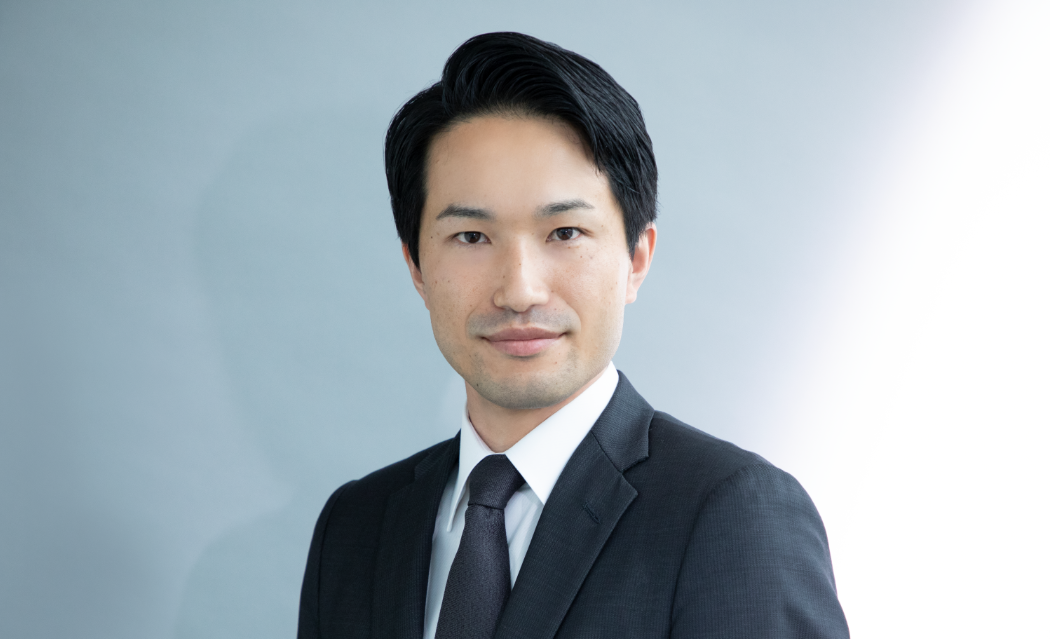

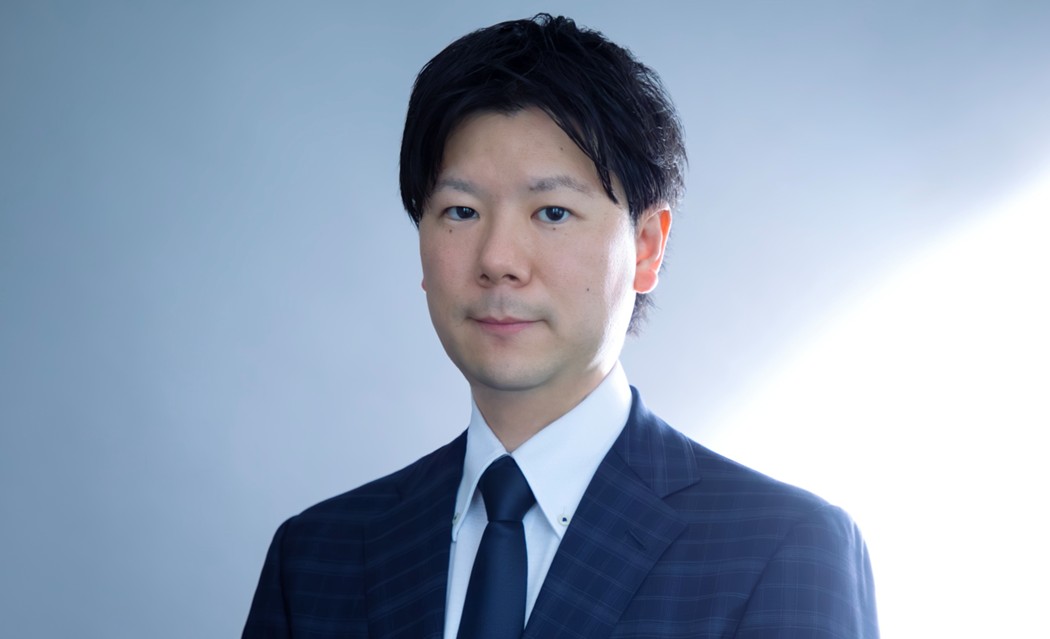

Mimura Komatsu Law Office was established in 2019 by lawyers Ryoichi Mimura and Junya Komatsu. Initially, it started as a small firm with only a few lawyers, but it has expanded its business focusing on intellectual property, dispute resolution, and corporate law, and as of September 2026, it has grown to a team of 31 lawyers, including 9 former judges.
On September 15, 2026, Mimura Komatsu Law Office held its third firm information session, which was attended by approximately 50 lawyers, legal apprentices, and law school students, both in person and online. The program included an introduction to the firm's history and areas of practice, a panel discussion, a Q&A session, and a social gathering, fostering a lively exchange of opinions.
This article will explain, based on what was said at the briefing session, why Mimura Komatsu Law Office came to be in this form and what principles guided the firm's development, primarily through the words of lawyer Junya Komatsu.
Please see the article below for information on the firm's history, areas of practice, and characteristics.
Click here for a list of reports from the office information sessions.
Creating a law firm strong in litigation
First,Why did I decide to create a law firm specializing in litigation?Let me begin by explaining that. Originally, lawyer Ryoichi Mimura and I were part of the litigation team at Nagashima Ohno & Tsunematsu Law Office. It was a truly wonderful environment with many talented people, handling numerous large-scale disputes and global cases involving well-known companies.
However, there was one thing that bothered me: the high number of conflicts of interest. A conflict of interest is a situation where protecting the interests of one client could lead to the disadvantage of another client, creating a conflict of positions. In large law firms, most of the clients are publicly listed companies, so when there are disputes between companies, the opposing party is also a client. Litigation, in particular, often involves business conflicts, and there were times when we were unable to accept litigation cases.
So, even though we're called a "litigation team," in reality, there are extremely few disputes. There's plenty of work like reviewing contracts, due diligence—that is, investigating a company's assets and risks in advance—or loan cases. But the opportunities to experience "how those contracts are ultimately handled in court" are fewer than I expected.
So I thought:I want to create a firm that is truly strong in litigation and disputes, one that can freely accept requests for litigation representation without being constrained by conflicts of interest.That's how I came to think. Together with lawyer Mimura, whose values aligned with mine, we established this firm in 2019.
While it's now relatively easy to arrive at legally correct answers by researching literature and, more recently, utilizing AI, there are many situations in practice where legal arguments alone are insufficient. For example, when a client wants to start a new business, it's easy to say, "There are legal risks, so let's not do it." However, what the client truly wants is, "I understand there are risks, but I want to know how I can make it happen." This is a common type of consultation, especially among venture companies and new businesses.
Therefore, we first understand what the business wants to achieve, and then propose ways to make it happen. In some cases, we want to cover everything up to lobbying to change the law, that is, activities that influence legislation and policy.
このTo propose "one step beyond the answer the client is looking for," it is essential to be able to assess the prospects of litigation.What is it?
Other firms can also encourage taking risks and trying new ventures, but we can't judge whether you can ultimately win in court or whether it will be illegal under regulations.I believe this is extremely important.
A team comprised of five former judges – a strength that enables "tailor-made litigation."
While there are several law firms that employ former judges, I believe it is extremely rare in Japan to have such a large number of former judges with experience in intellectual property departments.
Judges handle a vastly larger number of cases than lawyers. They often handle two to three times the number of cases that lawyers typically have on hand.Our firm's five former judges and lawyers have collectively handled approximately 5,000 court cases.This is the calculation that has been performed. I believe that being able to directly draw upon this accumulated knowledge in daily projects is extremely significant.
Moreover, these five former judges who are now lawyers have extensive experience in areas other than intellectual property. They have experience in a wide range of specialized departments, including labor, administration, corporate law, traffic, medical, bankruptcy/rehabilitation, and estate division. Having former judges with such diverse experience in various specialized departments, and being able to easily consult with them, is a major strength of our firm.
Because of this system, our firm can provide "customized litigation support." Here, "customized" means:This means that instead of tailoring the litigation to each individual client, we should tailor it to each judge handling the case.
Even among judges, there are individual differences in tendencies and ways of thinking. While they may not deviate significantly from the general principles of legal argument, differences arise in what kind of logic they prefer and what kind of evidence they like to present.
Our five lawyers, all former judges, have extensive experience in the court system.I am also well aware of the tendencies of other judges. Taking into account "this judge has these tendencies," I can adjust how evidence is presented and how the trial is conducted.What is it?
Our firm has more experienced judges than the three judges who make up the panel of judges in our intellectual property department.By listening to the opinions of multiple former judges, we can examine how credible the claims and evidence are.This is truly useful when developing a litigation strategy.
For young lawyers, it's like continuing the situation they had during their legal apprenticeship where they could ask judges anything, anytime. The perspective of "how would a judge think about this?" naturally comes into play during daily discussions, which I think is very beneficial for understanding the reasoning behind decisions.
However, if the answers are given too quickly, it can actually hinder the development of independent research skills. That's why we tell them, "First, do your own research and think it through properly, and then consult with someone who has experience as a judge." Not only new recruits, but also lawyers who join the firm mid-career seem to find the opportunity to regularly exchange opinions with someone who has experience as a judge to be a major attraction.
Lawyers with diverse careers – experts in criminal law, unfair competition law, music law, and legislation come together.
To give an example from the three speakers present today, Attorney Kosasa comes from the law firm Hironaka, which specializes in criminal cases, and has handled large-scale international criminal cases. After that, he moved to our firm and gained experience as an in-house counsel at Nippon Steel Corporation.
Attorney Kurokawa has experience working on secondment to the Intellectual Property Policy Office of the Ministry of Economy, Trade and Industry, where he has been involved in the revision of the Unfair Competition Prevention Act and the creation of guidelines for trade secret management.
Attorney Morikawa previously worked at GVA Law Firm, which specializes in supporting startups, and later served as an in-house counsel at Sony Music Entertainment, where he was responsible for music contract practices.
In addition to these, we have many other members with fascinating backgrounds, including lawyers with experience as stylists and fashion article editors, lawyers with experience as policy secretaries, lawyers with jewelry coordinator qualifications, lawyers who have been involved in management at entertainment companies, and lawyers based in New York who support the overseas expansion of Japanese companies. Our firm basically works on a team basis,
- In cases involving criminal offenses, consult with a lawyer who is well-versed in criminal law.
- If you encounter issues related to trade secrets or unfair competition, consult a lawyer specializing in unfair competition prevention law.
- For entertainment-related cases, consult with a lawyer who is familiar with the practical aspects of the entertainment industry.
As described above, it is possible to seek support on a daily basis from lawyers who specialize in each field.
Specializing in industrial sectors, we provide comprehensive support across entertainment, fashion, and art.
In Japanese corporate law, it was common practice to specialize in specific "legal fields" such as company law, labor law, bankruptcy law, intellectual property, and personal information protection law. However, from the client's perspective, a business is a continuous whole.
For example, you establish a company, issue shares, raise funds, and register trademarks. You hire employees, deal with counterfeit products, and obtain patents for inventions. You shoot advertisements, check advertising regulations, handle personal information, and sometimes scandals or criminal cases may occur. Finally, you sell, transfer, or liquidate the company. Running a company involves a wide variety of laws.
In large law firms, this is often divided among specialists in various legal fields, but from the client's perspective, it's a continuous process. And what I often hear is that it's a custom specific to that industry.Can you understand and advise on situations like, "The law says this, but it's not like that in our industry," or "The power dynamics are such that we can't say that"?This is extremely important in practical applications.
When I studied at a law school in New York about 10 years ago, there were many specialized courses focusing on specific industries, such as fashion law, art law, and entertainment law.After learning the customs and relationships of specific industries, we handle multiple legal fields and provide comprehensive support to companies.This idea, which was still uncommon in Japan at the time, gave me a huge culture shock.
When you understand the structure, culture, business practices, and jargon of an industry before addressing it, clients feel a great sense of security simply because you share a common language.In the case of fashion and art, clients expand horizontally to related fields such as design and architecture, and to technology-related clients close to AI and IT. There are synergistic effects like that.
The term "entertainment" encompasses a very wide range of genres. Our agency handles areas such as talent agencies, music, dance, games, anime, manga, and movies. We believe there are very few agencies that can cover such a broad range, and this is one of our agency's strengths.
We support a wide range of clients, from listed companies to individual creators.
Regarding intellectual property, particularly patent disputes, we often receive direct consultations from large domestic and international companies, listed companies, and overseas corporations. On the other hand, in the entertainment sector, we also have many small and medium-sized clients, venture companies, and individuals.
In the fields of fashion, jewelry, and architecture, there are many small companies run by just two or three people, and we also have a large number of individual clients. In addition to these individuals such as creators, artists, athletes, and researchers, we also receive consultations from employees in corporate legal labor cases.
At Mimura Komatsu Law Office, we don't strongly favor representing either employers or employees; instead, we specialize in specific industries and provide consultations to both companies and their employees. This aspect, I believe, accurately reflects the character of our firm.
In terms of proportion, projects from listed companies are large in scale and substantial, so if you only look at the number of cases, there are more from small and medium-sized enterprises and individuals. On the other hand, in terms of revenue, it's roughly half and half, and the workload is about the same.
Team-based vs. commission-based work, work style and culture
At our firm, you will always work on cases as part of a team with a senior lawyer. For the first few years, you will never be assigned cases alone, and all deliverables will be reviewed. Please see this as a learning opportunity.
However, that doesn't mean you can't work on the projects you want to. You can handle personal cases, and if you express a desire to work in a particular field, we will prioritize assigning you to those cases.If you want to venture into a specialized field that our firm doesn't yet handle, we have a system in place to support you as a whole firm, including introducing you to acquaintances and organizing events and seminars using our office space..
In terms of work style, we have many employees in their 30s and 40s who are raising children, and we have an environment that allows for remote work. Seating is free-address, and we have all the necessary systems for literature and research in the office. We strive to allow for flexible work arrangements to suit different life stages.
For the first and second years, we offer a fixed salary plus bonuses based on working hours, with the aim of encouraging employees to gain experience and learn from various projects rather than focusing solely on commission. From the third year onward, the pay is commission-based, depending on the hours worked. Many employees experience changes in their life stages, so it's possible to reduce working hours to prioritize childcare or studying abroad, or to adjust hours to focus on sales or seminars in areas of interest. Conversely, for those who want to work a lot, there are plenty of projects available.
Our guideline for working hours is generally between 100 and 200 hours per month. While 200 hours per month is close to the level of the so-called "Big Four" law firms, based on my own experience of about 10 years at Nagashima Ohno & Tsunematsu, I feel it can have a negative impact on personal life, so we don't recommend it as a firm. Rather,I believe it's more important to ensure you have ample time for yourself, to spend more time with stakeholders and players in various industry sectors, and to dedicate time to things you truly want to work on, such as studying law or preparing for seminars..
Invoices to clients are based on an "hourly rate" that corresponds to each lawyer's years of experience. There is a considerable range in these rates, and the lead lawyer adjusts the estimate to match market rates based on the lawyer's experience and the nature of the case and consultation.
The advantage of a commission-based system is that it makes it easier to delegate work. With a fixed-fee system, the compensation is the same no matter how much work is done, so there is a tendency to take on too much work. For example, if you receive requests from multiple clients with approaching deadlines at the same time, it may be physically impossible to handle them all. In such cases, with a commission-based system, "the amount of work done is reflected in the lawyer's compensation," so it becomes easier to ask for help without hesitation.
On the other hand,Commission-based pay varies from firm to firm. Some firms pay based on the actual hours worked, while others calculate the commission based on the amount the client actually pays.In the latter case, even if work is done, it may not be possible to recover the costs due to the relationship with the client, and the compensation may be reduced. At Mimura Komatsu Law Office, we pay each lawyer based on the actual hours worked, and the firm has a system in place to cover any discounts to clients. When considering a law firm that uses a commission system, I think it is important to understand this difference.
In our next report, we will share details of the panel discussion featuring lawyers Sho Kosasa, Naoki Kurokawa, and Sonoka Morikawa. We will cover specific topics such as how they came to join Mimura Komatsu Law Office and how they approach their work.
Mimura Komatsu Law Office is looking for new team members.
Mimura and Komatsu Law Office's philosophy is to "provide solutions that go one step beyond what our clients are looking for," and our team of lawyers with experience as judges and lawyers who are well versed in industry practices and global knowledge aims to provide practical services quickly.
We are seeking motivated lawyers, both new graduates and experienced professionals, who share our firm's philosophy and goals, possess a constant spirit of challenge, and wish to utilize their interest in various industries and fields, as well as their past experience.
For details and application requirements, please see below.CLICK HERE
Profiles of the Participating Lawyers
KOMATSU Junya(Komatsu Junya)
Co-Managing Partner of Mimura Komatsu Law Offices. After handling numerous large-scale disputes and global cases in the litigation team at Nagashima Ohno & Tsunematsu Law Offices, he co-founded this firm with lawyer Ryoichi Mimura in 2019. He studied fashion law, art law, and entertainment law through his studies at a US law school. He provides specialized legal services in Japan for various industrial sectors. While focusing on intellectual property, he also handles a wide range of fields including copyright, art, entertainment, and architecture. His philosophy is to "propose solutions that go one step beyond what clients are looking for."
*The report content and lawyer profile information are current as of the time of writing this article.
【2026.10.5】
Click here for legal advice and media appearances
ContactMiKoTama email magazine
Distributing various legal information topics via email newsletter
Other articles by Junya Komatsu
-
[Fashion Law / Seminar Report]
Contract Practices Between Brands and Overseas Select Shops: Contract Terms and Negotiation Points for Building Good Relationships (Part 2)On April 13, 2026, Mikotama Seminar #07-2 "Fat..." hosted by Mimura Komatsu Law Office
-
[Fashion Law / Seminar Report]
Contract Practices Between Brands and Overseas Select Shops: Contract Terms and Negotiation Points for Building Good Relationships (Part 2)On April 13, 2026, Mikotama Seminar #07-2 "Fat..." hosted by Mimura Komatsu Law Office
-
[Fashion Law / Seminar Report]
Contract Practices Between Brands and Overseas Select Shops: Contract Terms and Negotiation Points for Building Good Relationships (Part 1)On April 13, 2026, Mikotama Seminar #07-2 "Fat..." hosted by Mimura Komatsu Law Office
Related article
-
[Trade Secrets / Seminar Report - Part 2]
Leaking it is a disaster. Even letting it get in is a disaster. ~The reality and practical aspects of trade secret risk~MIKOTAMA Seminar #09, hosted by Mimura Komatsu Law Office, was held on September 29, 2026...
-
[Trade Secrets / Seminar Report - Part 2]
Leaking it is a disaster. Even letting it get in is a disaster. ~The reality and practical aspects of trade secret risk~MIKOTAMA Seminar #09, hosted by Mimura Komatsu Law Office, was held on September 29, 2026...
-
[Trade Secrets / Seminar Report Part 1]
Leaking it is a disaster. Even letting it get in is a disaster. ~The reality and practical aspects of trade secret risk~MIKOTAMA Seminar #09, hosted by Mimura Komatsu Law Office, was held on September 29, 2026...