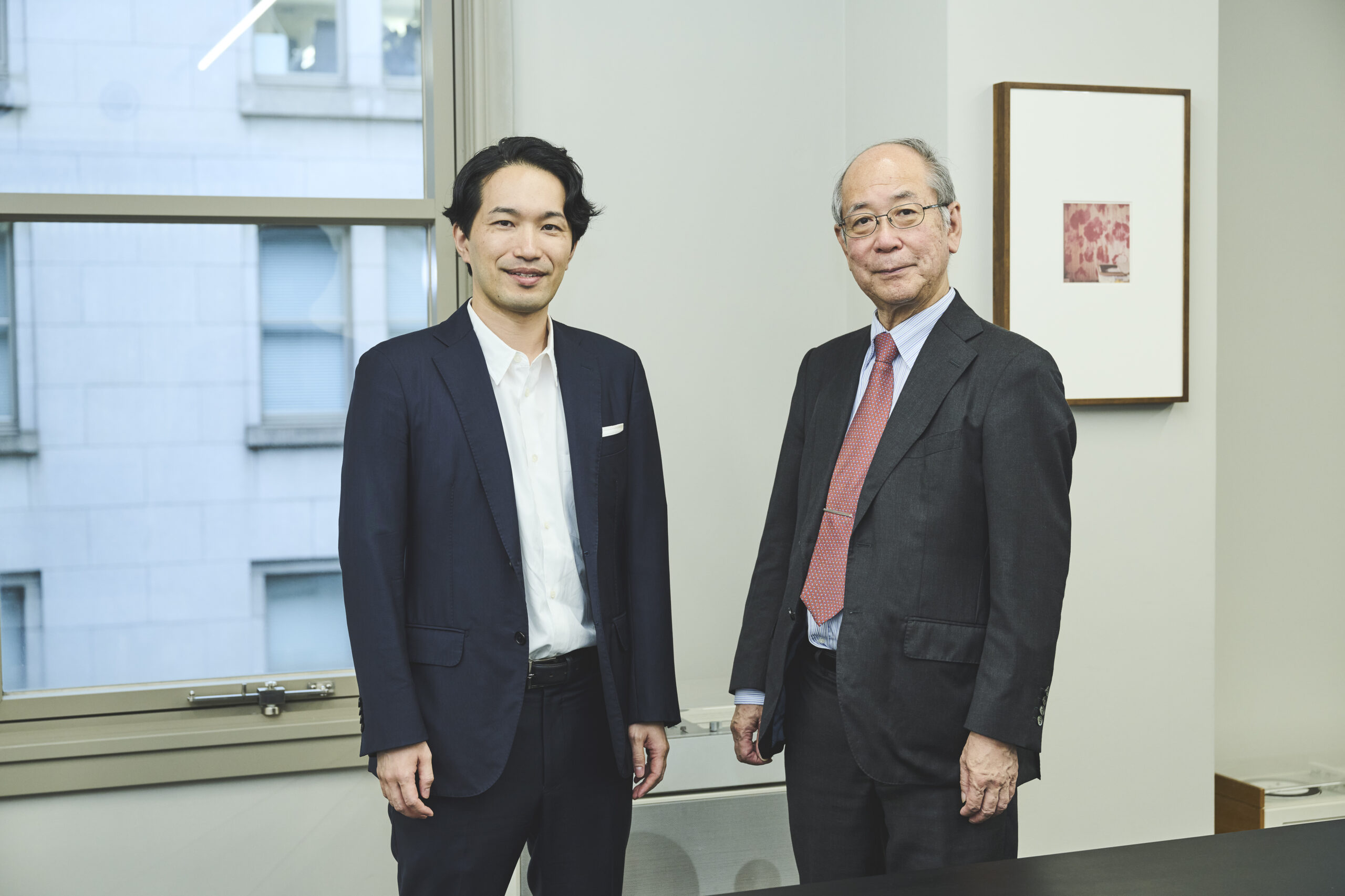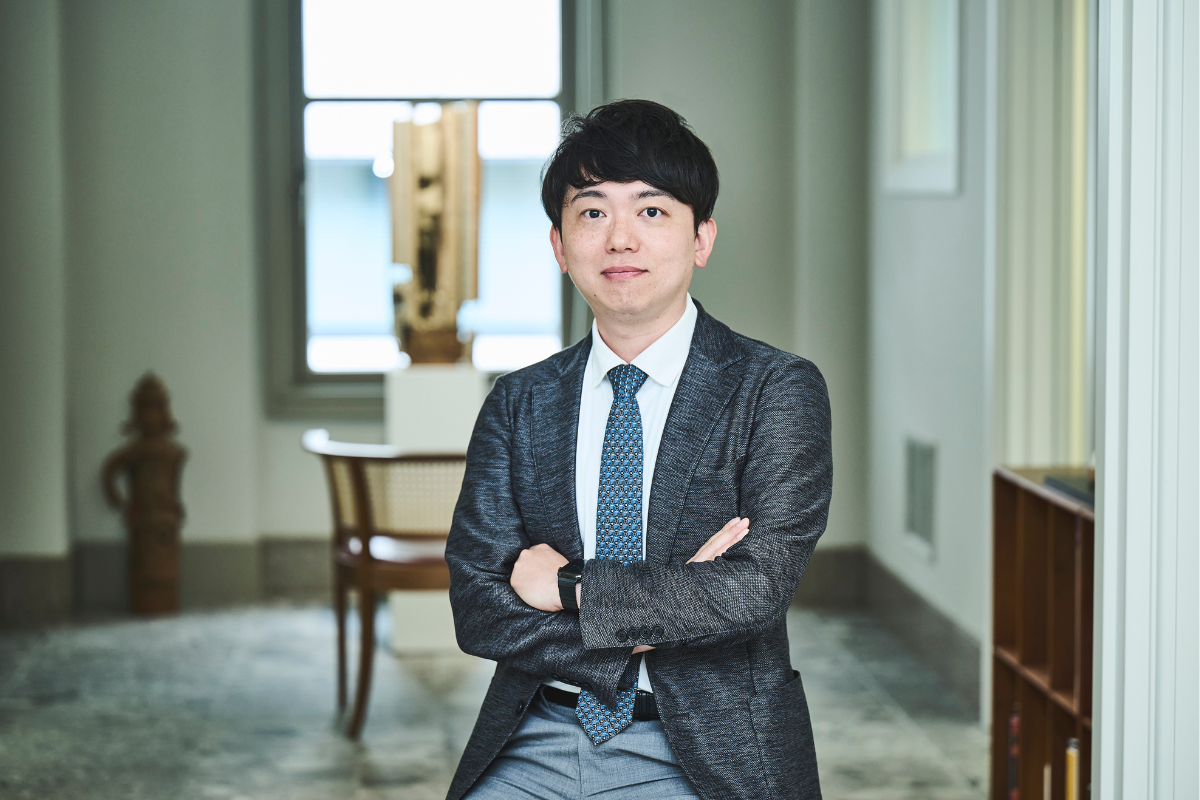
Lawyers specializing in handling scandals: "Emergency physician type" lawyers
The Crossroads of Litigation, Criminal Cases, and Intellectual Property (Part 1)
-

- #Interview #intellectual property #lawyer #Litigation/Arbitration #Corporate legal affairs #Crisis management #criminal case
[Interview by lawyer Sho Kosasa]
"When a problem arises within our company, we don't know who to consult." We often hear this from company executives and legal personnel. Addressing scandals and misconduct requires not only responding after they occur, but also proactive prevention.
In this article, we introduce lawyer Sho Kosasa, who has experience working across multiple fields, primarily litigation, criminal law, and intellectual property, and discuss what makes a lawyer strong in handling corporate misconduct, incorporating insights into corporate crisis management and effective utilization of external lawyers.
From aspiring prosecutor to becoming a lawyer—the fascinating world of litigation procedures
—First, could you tell us what inspired you to pursue a career in law?
Influenced by TV dramas like "HERO," I've always had a vague interest in the legal profession, including prosecutors and lawyers, so I went to law school. Later, through my interactions with those around me, I decided to aim to become a lawyer and began studying for the bar exam. However, by the time I finally passed the bar exam, I had also become strongly drawn to becoming a prosecutor, and I was torn about my career path until the very end of my legal training.
At the time, I was thinking about how to effectively present evidence within the established rules of litigation, especially criminal litigation, and what kind of logic to use and when to make arguments.Tactical elementsI was interested in this. Not only legal knowledge, but also the idea that "people should act this way" and "the evidence should be here."A satisfactory lawsuit can only be achieved when common sense and practical insights align well.I felt that it was an interesting field.
Around that time, I was fortunate enough to receive a job offer from Hironaka Law Office, headed by Mr. Junichiro Hironaka, known as the "acquittal specialist." While Hironaka may have a strong image as a criminal case firm, they actually handle a great many civil lawsuits, and to me, it was truly a "fighting law firm." The lawyers working there were all fascinating individuals, and gradually my desire to work as a lawyer at this firm grew stronger.
Ultimately, when I told my legal apprenticeship instructor that I was thinking of joining Mr. Hironaka's office, he said, "If I were in the same situation, I would also join Mr. Hironaka's office," which gave me the push I needed to choose the path of becoming a lawyer.
—Could you tell us about any memorable experiences you had at Hironaka Law Firm?
Starting my career as a lawyer under Mr. Hironaka is truly a great asset to me. At the time, Hironaka was a small, elite firm of about six people, and my work wasn't limited by whether I was a first-year or second-year lawyer. I was in an environment where I was asked for my opinion as an individual lawyer. That's why I think I naturally developed the stance of stepping forward when it was my responsibility to handle a situation.
A prominent criminal case I handled during my first year as a lawyer became a formative experience that shaped my later handling of scandals and crisis management. Senior lawyers took turns traveling by bullet train almost daily to the scene in the provinces to meet with the defendants. We were dealing with the situation amidst intense media coverage.
What I strongly felt at that time was that, in addition to what I should do as a defense attorney in a criminal case,The importance of addressing the perspective of "how the client will be viewed by society."That's how it was. Witnessing firsthand the daily increase in speculative articles and posts, I realized that there are considerable things that a lawyer can and should do, on a level separate from the legal perspective of criminal defense.
In addition to these, I have experience handling a wide range of cases, including general civil and commercial cases involving disputes between companies and individuals, labor disputes within companies, and domestic cases such as divorce and inheritance. Furthermore, I have gained experience not only in these typical "local lawyer" cases, but also in the entertainment field and defamation cases. Among these, the large-scale legal team cases related to the Fukushima nuclear power plant, such as class-action and corporate lawsuits, which Mr. Hironaka spearheaded, are particularly memorable.
—What were the distinguishing features of the defense team's case?
The defense team case is unique.That's it. Lawyers with different positions and areas of expertise come together, bringing their respective knowledge and ideas to create a single document. For example, in nuclear power plant lawsuits, some lawyers empathize deeply with the feelings of clients who have had their hometowns taken away, while others logically pursue how to get the highest possible compensation.Instead of being in conflict with each other, we will respect each other and, in the end, fight by securing what needs to be secured as lawyers..
The experience of refining the documents through back-and-forth discussions was an invaluable learning experience. I truly realized during this time just how complex and intricate the world of litigation can be.
—Speaking of Professor Hironaka, the Carlos Ghosn case (former chairman of Nissan Motor Co.) is also quite memorable.
In Mr. Ghosn's case, there was originally another lawyer representing him, and Mr. Hironaka was initially hesitant to take on the case. However, within the law firm, knowing Mr. Hironaka's stance, once it was decided that he would visit Mr. Ghosn at the Tokyo Detention Center, there was a general feeling that "he'll probably take the case."
After taking on the case, it became such a major case that the entire firm had to set aside other cases and organize its structure accordingly. It attracted a great deal of public attention and required responses from many different angles. I myself was centrally involved not only in examining the criminal case itself, but also in media relations. As you all probably know, this case was very educational, as I was able to work on it together with the team including Professor Hiroshi Kawazu and Professor Takashi Takano.
-The website of "Criminal Defense Oasis"There's an article about a roundtable discussion with Professor Hironaka and others reflecting on that time. It says that you were in your fifth year as a lawyer and had to deal with the prosecutor's office raid while Professor Hironaka was away, which must have been a very tense situation.
Looking back, I think I did a pretty good job with the search and seizure of my office. Of course, we had considered and discussed such a situation with the legal team, but I never imagined that I would be the one facing the brunt of it. However, having been involved in criminal defense and litigation, I knew all too well how important the documents entrusted to lawyers by their clients are, including their trade secrets, so when I was actually in that situation, I was able to respond with a natural sense of responsibility.
No matter how you look at this case, it was undoubtedly an unusual one, different from ordinary cases. Nevertheless, the underlying idea of the litigation—expanding possibilities by asking "could we do this too?" or "could we use this evidence?"—remained consistent throughout.Lawyers who excel in litigation are truly skilled at questioning the obvious and expanding their arsenal.That's right. This attitude remains the foundation of my approach when dealing with scandals and crisis management.
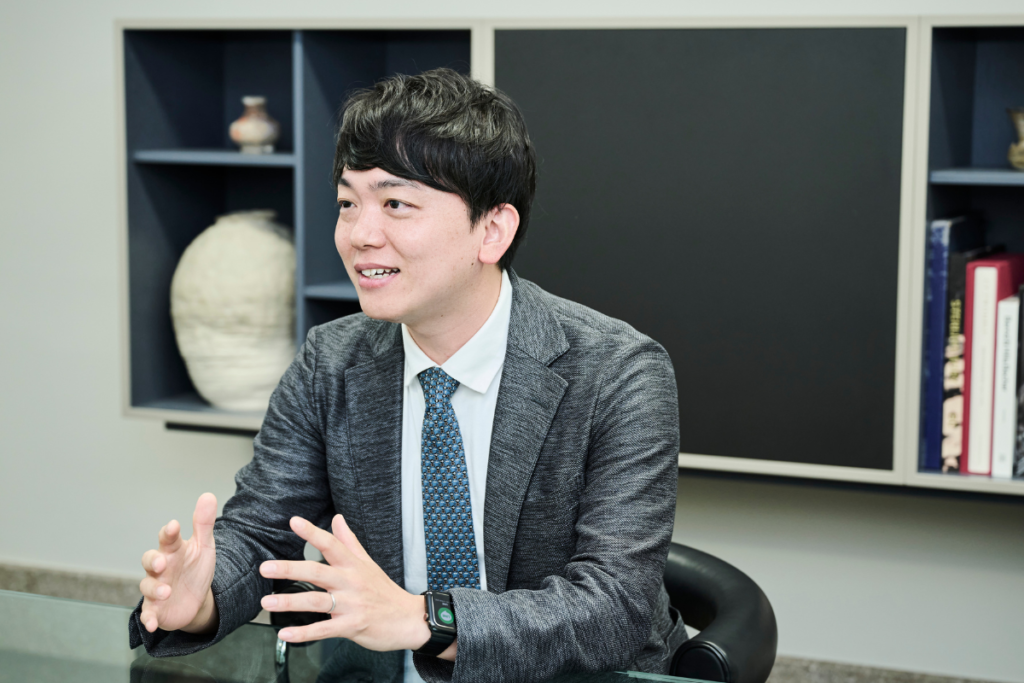
Transfer to Mimura Komatsu Law Office
—Focusing on litigation, intellectual property, and criminal law, I will find my strengths.
—Could you tell us about the circumstances that led you to move from Hironaka Law Office to Mimura Komatsu Law Office?
As a premise, Hironaka Law Firm is a firm that maintains good relationships with its alumni. Even after senior lawyers with whom I had worked went independent, we continued to collaborate and consult with each other from time to time. Therefore, even though I was leaving the firm, I never imagined that my connection with Mr. Hironaka or Hironaka would be severed.
Furthermore, Attorney Mimura is my mentor who taught me intellectual property at Waseda University, and Attorney Komatsu is someone I've known since I was a student. I even attended some of his photography-related seminars, and during my time at Hironaka, we exchanged documents as opposing parties in lawsuits. It seems like we had quite a few strange connections.
Actually, Attorney Komatsu had approached me about joining his firm since its establishment, but at the time, the Ghosn case was in full swing, and I was centrally involved, so my honest feeling was that I shouldn't leave my current firm until things had settled down. Then, the case ended unexpectedly and suddenly, and I thought that moving at that time would cause the least trouble for those around me, so after consulting with Mr. Hironaka, I decided to transfer to Mimura Komatsu Law Office.
—What aspects of Mimura Komatsu Law Office appealed to you?
Attorney KomatsuI want to create a law firm that focuses on litigation.That was my thinking. Having worked primarily in litigation, I felt the need for preventative and strategic approaches that would allow me to utilize the perspective I had gained in litigation in contract drafting and business advice. Also, I have always been interested in intellectual property since my student days, and I was strongly attracted to the opportunity to work on intellectual property cases under Attorney Mimura. In addition, Attorney Komatsu had also handled criminal cases since the time of Nagashima, Ohno, and Tsunematsu,We can also collaborate in the field of criminal cases.That's what I thought.
As I mentioned on another occasion,Criminal cases are not limited to certain individuals; they can surprisingly arise from ordinary civil matters and corporate activities as well.That's right. I felt that there was a place where I could find my own area of performance.
What I learned from my in-house experience: "What companies expect from external lawyers"
—After that, you were seconded to Nippon Steel Corporation. What were the circumstances surrounding that?
I was approached by the office, and because I had previously worked with people from Nippon Steel, I was offered the opportunity to be seconded to them.
Until then, I had been an external lawyer receiving orders from companies, but experiencing firsthand the process of internal discussions and how those discussions ultimately lead to decisions is what I aim for: looking at multiple perspectives and searching for the optimal solution at each stage."Emergency physician-type" lawyersI felt it was necessary to achieve my goal, so I accepted the offer.
In reality, the positions and roles of in-house lawyers and lawyers from external firms differ significantly. External firms are in the position of receiving requests, while in-house lawyers are in the position of requesting them. The people they communicate with also change. When working as an external lawyer, you often speak with lawyers and legal staff, but when working as a member of the company, you have to speak directly with people in the business and technology departments. You take on the role of explaining things from a legal perspective and ensuring they understand.
—What do you think are the requirements for external lawyers that you learned from that experience?
While this may be obvious to those in corporate legal departments, I was reminded that there are things both parties need to be aware of in order for legal departments to effectively utilize external firms. First, it is important for the in-house side to organize as many of the underlying facts as possible before consulting with an external lawyer. Then,Clearly define your company's objectives: "What do we want to achieve as a company?"There is a need.
On the other hand, external firms are also expected to comment in a way that aligns with what the company wants to achieve within the given premises. If the premises are not yet fully established, they should not simply respond with "This will be difficult as it is," but rather...It's about showing a path forward by saying, "If we set these prerequisites in place, it should be possible to achieve this."Is important.
Legal judgments are about evaluating the "premises" that are a combination of facts. If the premises remain ambiguous, the answer will not be clear ("If A, then this; if B, then this"), and communication will break down.
However, focusing too much on legal judgments can cause a company to lose sight of what it wants to achieve as a business. Of course, this doesn't mean distorting the facts to suit the company's convenience.The lawyer's comments are requested only after considering the company's business objectives.The key is to have an exchange that grasps that objective.
In the second part of this interview, we will continue our conversation with lawyer Kosasa about his work at Mimura Komatsu Law Office, his handling of scandals, and the role of lawyers in the age of AI.
For consultations regarding handling scandals and crisis management, please contact Mimura Komatsu Law Office.
Mimura Komatsu Law Office offers consultations regarding corporate misconduct, fraud investigations, and crisis management. Even if you're unsure whether you should seek advice, consulting early can broaden your options. Since specific response strategies vary depending on the individual situation, we recommend consulting with a specialist. Please feel free to contact us to schedule a free consultation.
For requests and inquiries, please contact us.CLICK HERE
Profile
Sho Kosasa
He handles criminal cases, intellectual property cases, and corporate litigation across disciplines. After joining Hironaka Law Office, he was involved in criminal defense in high-profile cases that attracted significant social attention, as well as large-scale defense team cases. He later moved to Mimura Komatsu Law Office. After being seconded to Nippon Steel Corporation, he also gained practical experience in in-house corporate legal affairs. Currently, he focuses on various litigation cases, including general civil and family law cases, as well as internal investigations into harassment and misconduct, serving on third-party committees and special investigation committees, and providing consultation and litigation related to intellectual property.
【2026.8.3】
Click here for legal advice and media appearances
ContactMiKoTama email magazine
Distributing various legal information topics via email newsletter
Other articles by Sho Kosasa
-
Lawyers specializing in handling scandals: "Emergency physician type" lawyers
The Crossroads of Litigation, Criminal Cases, and Intellectual Property (Part 2)[Interview with lawyer Sho Kosasa] "When a problem arises within our company, we don't know who to consult..."
-
Looking back at the defamation case involving Yusuke Yamamoto,
Yahoo! News distribution responsibilityOn December 2024, 12, the Supreme Court ruled that actor Yusuke Yamamoto was a LINE Yahoo!
Related article
-
The interpersonal skills cultivated in sports clubs earn the trust of clients.
Aiming to become a fashion-oriented "local dialect"[Interview / Lawyer Mirinji] After dedicating himself to archery throughout middle school, high school, and university, he chose the path of becoming a lawyer...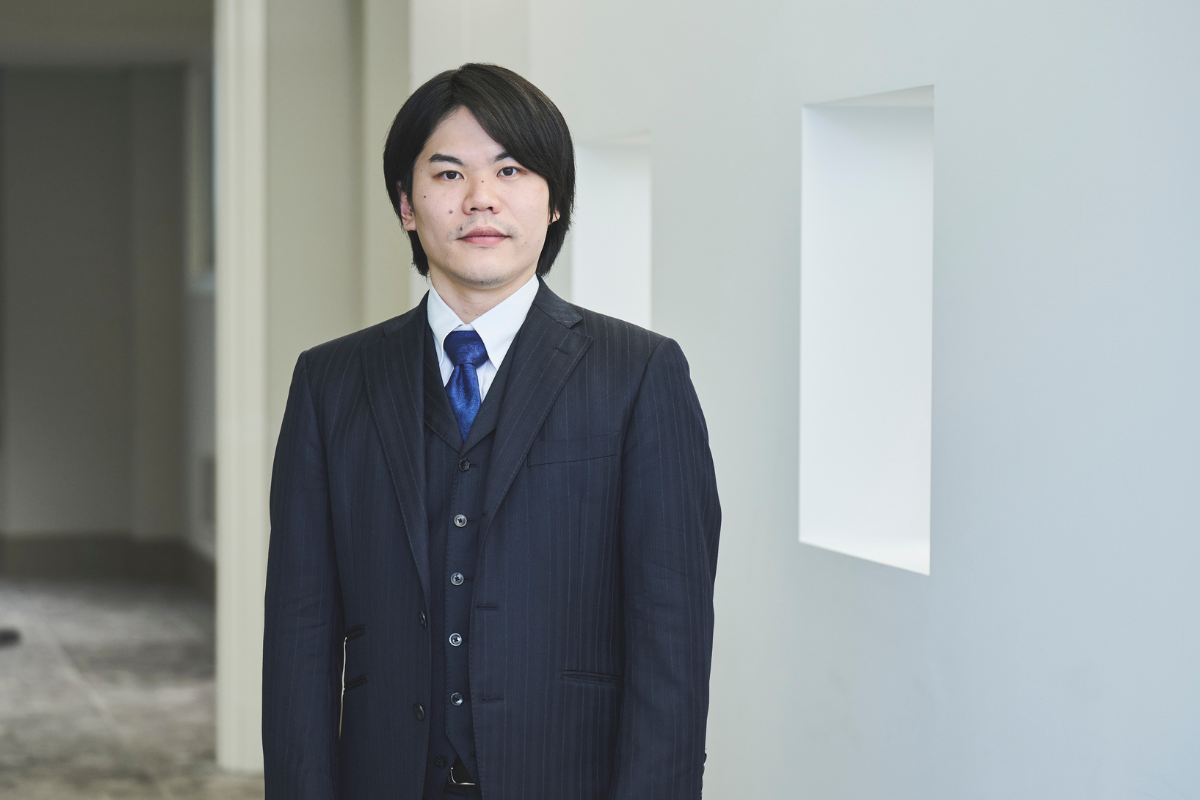
-
[Special Roundtable Discussion with Former Judges and Lawyers ②]
The significance of having lawyers with a background as judges at a law firm.
—Situations where experience in litigation, intellectual property, inheritance, and notary public work comes into play.Mimura Komatsu Law Office specializes in litigation and intellectual property, and handles a wide range of legal matters, including general corporate law...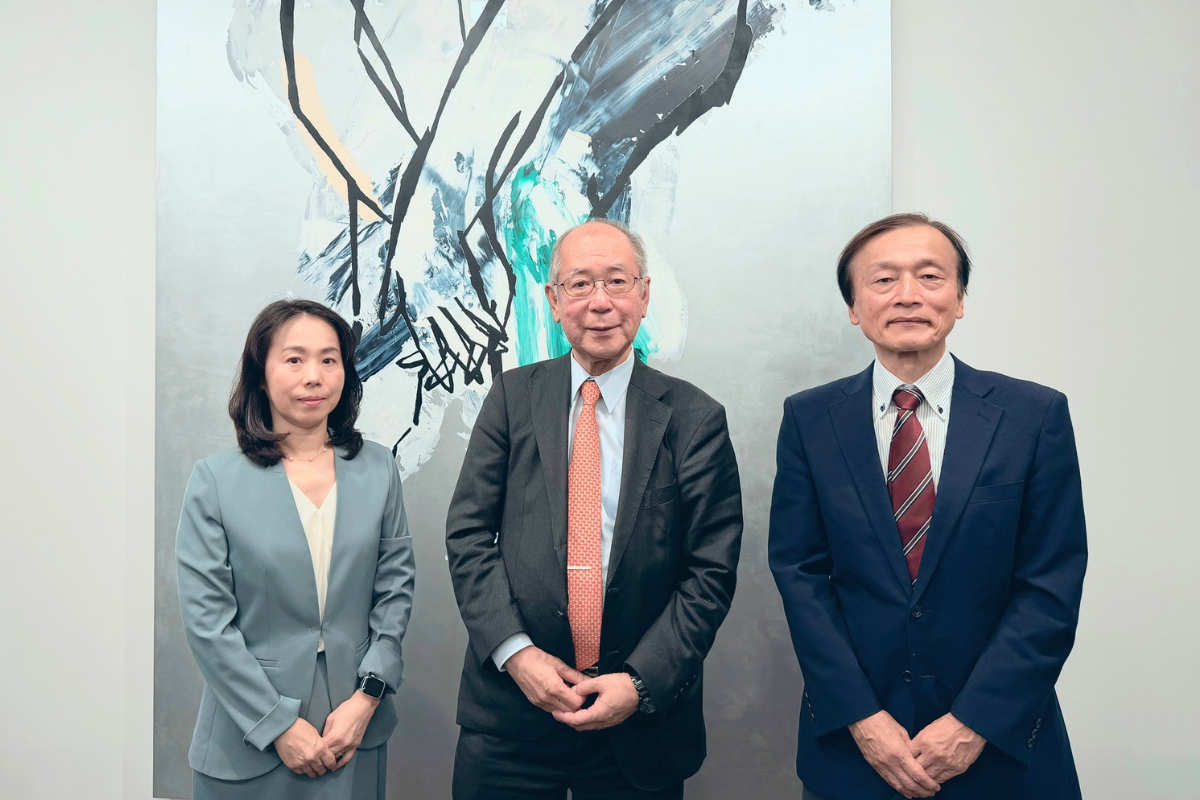
-
[Interview with the Managing Partner of Mimura Komatsu Law Office - Part 2]
Aiming to become a law firm strong in litigation.
—Our journey so far[Interview / Attorney Ryoichi Mimura & Attorney Junya Komatsu] Part 1 here Part 2 here Assuming...